

The keyboard you choose matters far more than most people realize. Whether you type for work or play competitively, the switch mechanism underneath those keycaps will shape your entire daily experience. Understanding the differences between modern switch technologies helps you invest in the right tool rather than settling for whatever is convenient.
Understand the Three Classic Mechanical Switch Profiles
Linear, tactile, and clicky switches form the foundation of mechanical keyboard choice. Linear switches provide a smooth, uninterrupted keystroke from top to bottom with minimal sound, making them ideal for gaming and shared spaces. Tactile switches land between linear and clicky options, offering a subtle bump at the actuation point to confirm your keystroke without excessive noise. Clicky switches go all in with both a pronounced bump and an audible click, delivering maximum feedback but potentially becoming tiresome in an office environment.
The classic Cherry MX line popularized these categories decades ago, but modern competitors like Gateron, Kailh, and Glorious now offer excellent alternatives within each profile. When comparing the best mechanical keyboards, you’ll notice most feature at least one of these three core types.
Consider Optical Switches for Gaming Speed
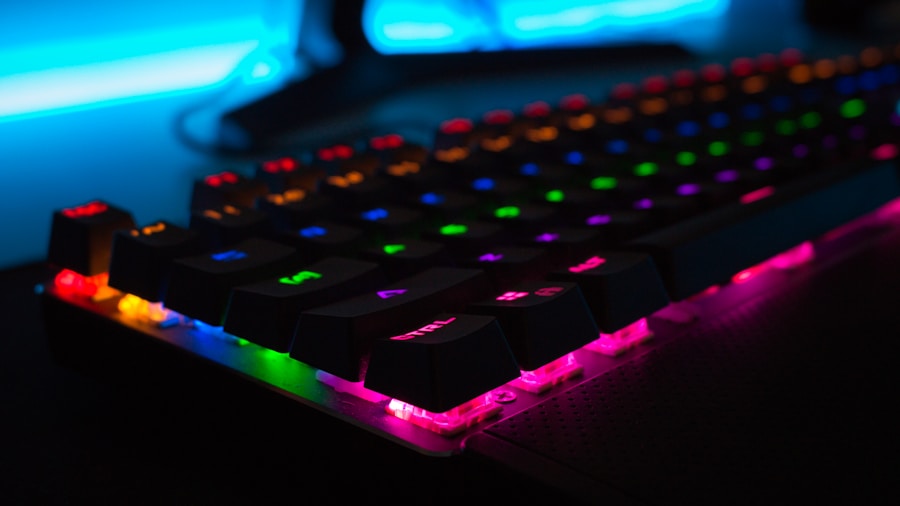
Optical switches represent a significant evolution in switch design. Rather than using metal contacts to register keypresses, they employ an infrared beam beneath each key. When you press a keycap, the beam interrupts, and your computer registers the input instantly. This approach eliminates the contact wear that mechanical switches experience, extending keyboard lifespan considerably.
The speed advantage matters if you play competitive games or require split-second responsiveness. Optical switches also support features like adjustable actuation points and rapid trigger mode, allowing you to customize how quickly a keystroke registers. However, optical switches require keyboards specifically designed for them and cannot be retrofitted to mechanical boards.
Explore Hall Effect Switches for Maximum Control
Hall Effect technology, originating from the 1960s but only recently mainstream in keyboards, uses magnets and sensors rather than physical contacts or light beams. This approach enables unprecedented customization, with actuation distances adjustable to 0.1 millimeters or even less. Competitive gamers increasingly prefer Hall Effect keyboards because they combine durability with the ability to fine-tune inputs to personal preference.
Several major manufacturers now offer Hall Effect options, expanding your choices beyond the pioneers who first popularized the technology. The trade-off is typically higher pricing, but the investment pays dividends for serious gamers who benefit from customizable settings and extended equipment longevity.
Pick Topre Switches If Typing Comfort Is Priority
For professionals who spend entire workdays typing, Topre switches offer a unique middle ground between modern technologies and traditional rubber domes. These Japanese-designed capacitive switches combine a rubber dome with a spring beneath, creating a softer, more forgiving keystroke that reduces bottom-out impact. Many professional typists and programmers swear by Topre keyboards for their comfort and reduced fatigue.
Expect to pay a premium for Topre technology, but the ergonomic benefits and durability may justify the expense if typing represents your primary computer activity. When browsing the best quiet mechanical keyboards, you’ll discover Topre as a frequently recommended choice for peaceful, comfortable extended typing sessions.
Assess Your Budget Reality

Entry-level mechanical keyboards with budget switches work perfectly well for casual users and new enthusiasts. Membrane and scissor switch keyboards remain viable budget options, though they lack the customization and longevity of mechanical alternatives. If you’re uncertain about long-term keyboard preferences, starting with an affordable mechanical option provides good value while you learn what you actually want.
Match Technology to Your Primary Use Case
Competitive gamers benefit most from Hall Effect or optical switches, which provide the responsiveness and customization that fractions of a second matter. Casual gamers enjoy traditional mechanical switches without excessive expense while still gaining customization options. Professional typists should prioritize tactile mechanical or Topre switches for comfortable, quiet operation that won’t disturb colleagues.
Your use case, budget, and preferences should drive the decision. No single switch type works perfectly for everyone, and modern keyboards offer enough variety that you can find exactly what matches your needs and priorities. Take time to understand what matters most to you before investing in your next keyboard.










Write Your Review
No reviews yet. Be the first to share your experience!