

For decades, homeowners have approached lighting the same way they pick window treatments like curtains: with an eye toward function and neutrality rather than joy. You walk into a showroom, point at something that won’t clash with your furniture, and move on. But a new Italian lighting innovation is challenging that tired formula.
Davide Groppi, an Italian design studio based in Piacenza, unveiled Race of Lights in 2025, and it marks a significant shift in how modern lighting can work as both practical illumination and interactive design statement. The system reimagines what a wall-mounted lamp can be, borrowing inspiration from childhood slot-car racing sets to create something genuinely different.
How Race of Lights Works
At its core, Race of Lights is a modular wall lamp system. An electrified track made from textured matte black polyethylene mounts directly onto your wall in any configuration you choose. The track supplies power to the real innovation: tiny car-shaped spotlights that snap magnetically into place and slide along the track like a racing circuit. You can move, reposition, and rearrange them whenever you want a new look.
The starter kit includes two short straight modules, four longer sections, six curved pieces, and four colored light-cars in green, white, blue, and red. The system scales up to five metres across your wall and can power up to eight spotlights simultaneously. Each light features an adjustable head so you can direct illumination exactly where you need it. This flexibility is a game-changer for rooms that evolve over time, since you’re never truly locked into a single layout.
Why This Matters for Your Home
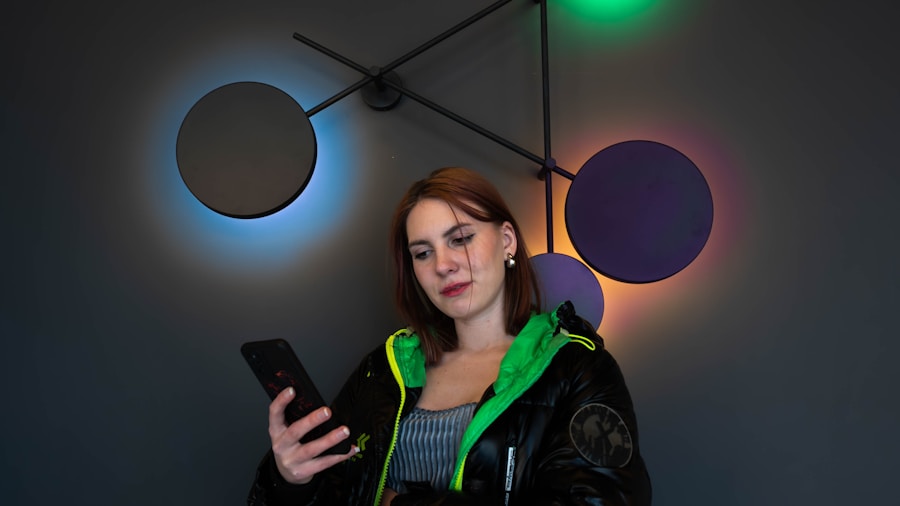
What makes Race of Lights so compelling is that it breaks the mold of conventional home lighting design. Most lamps aim for invisibility, letting the light do the work while the fixture disappears into the background. Race of Lights does the opposite. It sits confidently on your wall as a sculptural element that draws attention and sparks conversation. Unlike selecting affordable curtains online, where the goal is often anonymity, this lighting approach celebrates being a focal point.
The design philosophy carries emotional weight. Groppi has long framed lighting as a tool for seduction and curiosity, something that emerges from the heart as much as the mind. Race of Lights takes that emotional dimension and makes it literal. By channeling childhood memories of slot-car sets, the designer transforms play into legitimate interior design. The result functions as genuine lighting while also serving as a conversation starter and nearly sculptural installation.
Practical Considerations for Buyers
If you’re interested in this approach to lighting, understand that Race of Lights demands wall space and visibility. This is not a system that hides in a corner. You’ll want to mount it where it can be appreciated as a design statement, much like how decorative curtain ties can transform window treatments from purely functional to genuinely stylish.
The modular nature also means you’re not locked into one layout forever. As your tastes shift or your room’s function changes, you can reconfigure the track and repositioning the light-cars accordingly. This flexibility tends to age well in a space because you maintain control over the composition indefinitely.
The Broader Design Context
Davide Groppi’s career has been defined by creating lighting that challenges conventions. Earlier work like the Nulla lamp, which won the Compasso d’Oro in 2014, measures just 18 millimetres in diameter and is practically invisible. The name translates to nothing, embodying a philosophy where the lamp disappears so light remains. Race of Lights operates in the exact opposite direction, and that’s precisely why it works. The designer isn’t abandoning core principles, just expressing them differently. The emotional language remains consistent even as the visual approach transforms completely.
It’s easy to dismiss Race of Lights as a gimmick, but that reading misses the point. The best design has always borrowed from play. Think about how the best chairs make sitting effortless or how premium window coverings like cellular shades for bathrooms combine function with genuine aesthetic appeal. Race of Lights applies that same principle to lighting. It makes illumination feel like a choice driven by genuine enthusiasm rather than resigned practicality.
What This Means Moving Forward
Lighting doesn’t have to be a decision you make once and then forget about. Davide Groppi has spent decades proving that point through quietly radical innovations. Race of Lights simply represents the first time that argument arrived painted in red, white, blue, and green, with tiny cars attached. For shoppers tired of treating lighting as an afterthought, this represents a genuine alternative.




Write Your Review
No reviews yet. Be the first to share your experience!