

Why Spider Mites Attack Houseplants in Summer Months
August brings a spike in houseplant problems, and spider mites are the top culprit. These tiny sap-sucking insects thrive when indoor environments become hot and dry, conditions that are nearly impossible to avoid during peak summer. What makes spider mites particularly dangerous is their rapid reproduction rate in warm conditions combined with their small size, which makes early detection challenging. Without quick intervention, these pests can cause leaf discoloration, premature leaf drop, and severely stunted growth across your entire collection.
Spider mites are drawn to stressed plants, especially those positioned near sun-facing windows where they become dehydrated more quickly. The warm temperatures also reduce the activity of natural predators, allowing mite populations to explode within days. Understanding why these pests flourish helps you take preventive action before an infestation takes hold.
Tip 1: Monitor Soil Moisture Consistently
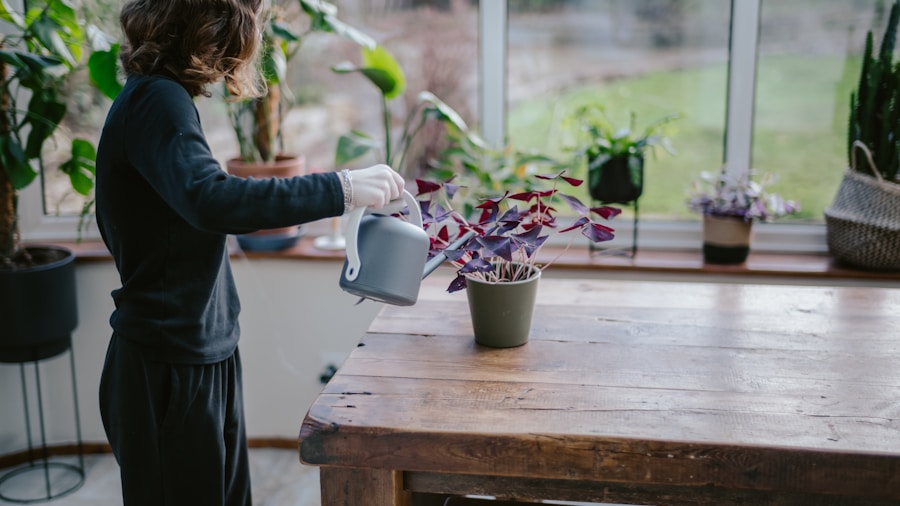
Underwatered houseplants are prime targets for spider mites because heat stress makes foliage more vulnerable to feeding damage. Establish a routine of checking soil moisture levels before watering, and adjust your watering frequency during hot spells. A soil moisture meter removes guesswork and ensures your plants stay adequately hydrated, making them less attractive to these destructive pests.
Tip 2: Reposition Plants Away from Direct Summer Sun
Moving houseplants away from scorching sunny windows offers dual benefits: it prevents spider mites from finding stressed, dehydrated foliage, and it also protects sensitive leaves from burn damage. If relocating plants isn’t practical, use sheer curtains to diffuse intense sunlight while maintaining adequate light levels. Pay special attention to windows you leave open during summer, as these provide direct access points for pests to enter your home.
Tip 3: Clean Foliage Weekly During Summer
Regular leaf cleaning serves as both pest prevention and early detection. Once per week, use a soft microfiber cloth or specialized dusting gloves to gently wipe each leaf surface and undersides, where spider mites typically hide. This simple practice removes dust and debris that can harbor pests while giving you a close-up opportunity to spot mites before they multiply. For a deeper clean, you can use water alone or a mild insecticidal soap solution.
Tip 4: Increase Indoor Humidity Levels
Spider mites despise humidity because it interferes with their reproduction cycle. Create a more hostile environment for these pests by misting your houseplants regularly with a plant mister, which simultaneously keeps foliage clean. For sustained humidity improvement, place moisture-loving plants on pebble humidity trays filled with water, or invest in a portable humidifier for rooms housing your most valuable specimens. Even modest humidity increases make a noticeable difference in pest prevention.
Tip 5: Act Quickly if You Spot an Infestation
Fine webbing on plant stems or a stippled appearance on leaves are telltale signs of spider mites. The moment you confirm an infestation, isolate the affected plant immediately to prevent mites from spreading to neighboring plants. Using clean, sharp pruning shears, remove any heavily infested foliage and discard it in a sealed bag. Then give your plant a thorough shower under cool running water to wash away the majority of mites and their webbing.
Tip 6: Treat Infested Plants with Organic Solutions
After showering your plant, wipe each leaf individually with a microfiber cloth dampened with water, insecticidal soap, or neem oil. Neem oil is an effective organic pest control product that targets spider mites and other common houseplant pests without harsh chemicals. Apply these treatments consistently every few days until you see no signs of spider mites returning. This hands-on approach is often more effective than single spray applications.
Tip 7: Avoid Common Summer Plant Care Mistakes

Beyond pest management, ensure your summer houseplant routine supports overall plant health. Avoid overfertilizing during hot months, as excess nutrients can burn root systems and weaken plants. Similarly, adjust your watering schedule rather than following a fixed calendar. Healthy, well-hydrated plants with appropriate nutrient levels are naturally more resilient to pest damage, making them less vulnerable even if spider mites arrive. Consider using elevated plant stands to improve air circulation around your collection, which also helps reduce humidity-loving pest problems.
Stay Ahead of Summer Houseplant Problems
Spider mites are preventable and manageable with consistent attention and proper plant care practices. By maintaining adequate hydration, managing light exposure, keeping foliage clean, and monitoring for early signs of infestation, you can protect your houseplants throughout the challenging summer months. These seven strategies work best together as a comprehensive approach to indoor plant health, ensuring your collection thrives even when outdoor conditions encourage pests to proliferate. Start implementing these tips now, before August heat brings spider mites to your door.












Write Your Review
No reviews yet. Be the first to share your experience!