

What Happened: A Garden in Full Color This Summer
As temperatures rise across the Northeast, one Connecticut gardener’s established landscape is delivering a masterclass in seasonal abundance. A rectangular garden bed in Redding has exploded with vibrant blooms, creating a thriving ecosystem that attracts pollinators by the dozen. The simple, low-fuss design proves that maximum visual impact doesn’t require complicated layouts or constant maintenance. Every square foot is packed with flowering perennials and companion plantings that work together to create weeks of continuous color through the peak summer months.
The transformation demonstrates how thoughtful plant selection and layering can turn an ordinary garden space into a dynamic, living landscape. What’s particularly striking is the abundance of pollinator activity, with steady streams of bees, butterflies, and other beneficial insects moving from flower to flower. The garden functions as a complete ecosystem, where plant diversity directly supports the creatures that keep landscapes healthy and productive.
What This Means for Gardeners and Outdoor Shoppers
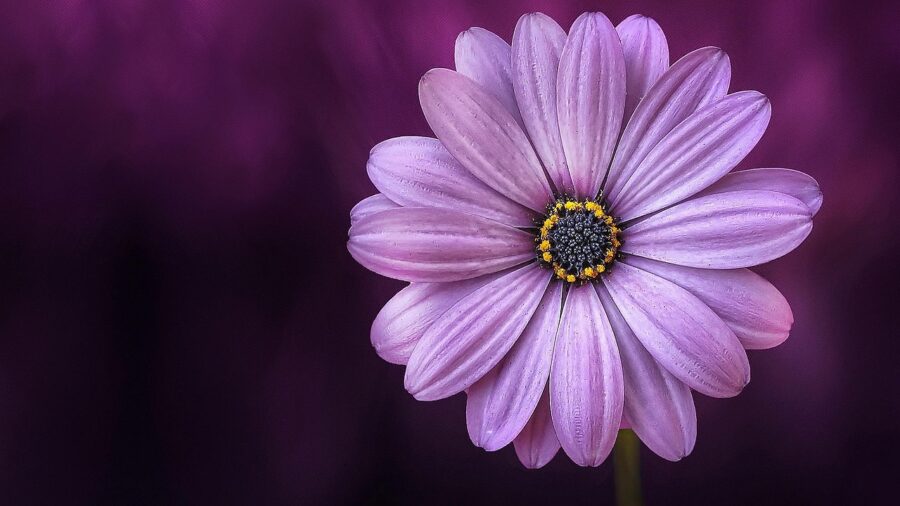
For homeowners planning their own summer gardens, this success story underscores several actionable principles. First, the power of perennials cannot be overstated. Unlike annuals that require replanting each season, established perennials deliver reliable blooms year after year with minimal fuss. They’re also far more budget-friendly over time, making them a smart investment for any garden budget.
Second, garden design matters less than plant density and variety. You don’t need exotic specimens or elaborate hardscape features to achieve stunning results. Dense planting of complementary flowering species creates natural interest and maximizes the visual impact of your outdoor space. Consider adding quality gardening gloves to your toolkit if you’re planning intensive planting projects, as dense beds require more hands-on work during installation.
Third, supporting pollinators has become essential for any modern garden. The buzzing activity observed in this Connecticut garden isn’t just pleasant to watch, it’s critical for plant health. Gardens that attract bees, butterflies, and other pollinators naturally produce healthier, more abundant flowers and vegetables. Gardeners interested in maximizing pollinator attraction should prioritize plants that offer nectar and pollen throughout the growing season.
Plant Strategies That Drive Summer Color
The featured garden relies heavily on flowering perennials that bloom at different times, ensuring continuous color from early summer through fall. Meadow rue, for example, provides delicate texture and airy height above lower-growing flowers, creating visual layers that add sophistication without complexity. This vertical dimension prevents gardens from looking flat or monotonous.
Gardeners shopping for plants should look for varieties that share similar growing requirements but bloom at staggered intervals. This approach eliminates the feast-or-famine cycle where everything blooms simultaneously and then disappears. Instead, you’ll have waves of color throughout the season. Pay attention to hardiness zones when selecting perennials, as cold-hardy varieties will return reliably year after year in northern climates.
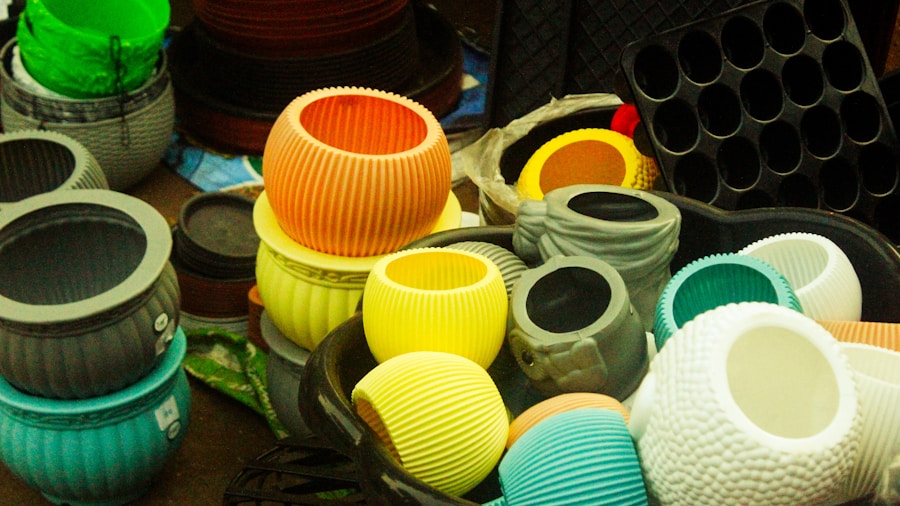
Container plantings also play a supporting role in summer garden design. Colorful pots positioned near seating areas extend the garden’s visual interest into hardscaped zones like patios and decks. Containers offer flexibility for trying new plant combinations or rotating seasonal displays without committing precious bed space. When shopping for containers, choose sizes that complement your patio proportions and invest in quality materials that withstand repeated watering and seasonal weather.
Practical Considerations for Summer Garden Success
Creating a garden that thrives without excessive fussing requires some upfront planning. Mulching beds conserves moisture during hot summer months while suppressing weeds that compete with desirable plants. Install efficient irrigation systems to deliver consistent water to densely planted beds, reducing the need for daily hand-watering during peak heat.
For gardeners with vegetables or harvested flowers, having proper tools nearby makes garden maintenance enjoyable rather than tedious. A dedicated wash station or basket keeps harvested produce organized and simplifies the cleaning process before bringing items indoors.
Finally, consider adding pollinator-friendly features beyond just plants. Bird feeders, shallow water sources, and shelter structures provide additional habitat that encourages beneficial insects to stay and thrive in your garden. These small touches transform your yard from merely attractive to genuinely supportive of local ecosystems.
The bottom line: summer garden success comes from choosing the right perennials, planting densely, supporting pollinators, and managing water efficiently. Start with quality plants, give them proper spacing and soil preparation, and let nature handle the rest. Your garden will reward your efforts with the kind of vibrant, thriving landscape that makes summer outdoor living genuinely special.









Write Your Review
No reviews yet. Be the first to share your experience!