

Cast Iron Pipes Are Failing Across America: What Shoppers Need to Know
If your home was built before the mid-1970s, you likely have cast iron sewage pipes running beneath your basement and yard. That might not sound alarming until you learn what happens when those pipes reach the end of their lifespan: they don’t crack gradually, they crumble completely, often without much warning. One family’s recent experience illustrates just how costly and disruptive this hidden crisis can become.
Lori and Dirk returned from a European vacation to discover sewage backing up into their basement. What started as a suspected blockage turned into a nightmare when professional plumbers discovered that their entire cast iron pipe system had deteriorated beyond repair. The fix required removing basement concrete, excavating the yard, and replacing all the piping with new PVC lines. The final bill: roughly $20,000, plus thousands more in potential mold and structural damage mitigation.
This isn’t an isolated incident. Millions of homes across the United States are entering a critical window where aging cast iron sewage systems are beginning to fail at alarming rates. Understanding why this happens and what you can do about it could save you from a similar catastrophe.
Why Cast Iron Pipes Fail
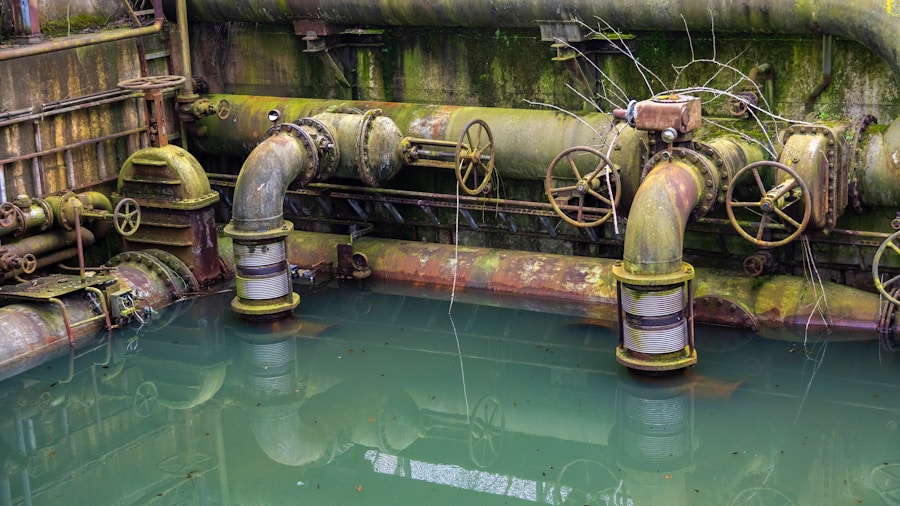
Cast iron was the standard material for house sewage pipes until PVC became widely available in the mid-1970s. While durable for decades, cast iron has a significant weakness: it rusts. Sulphuric acid from wastewater eats away the interior of pipes over time, while acidic soil corrodes the exterior. A pipe that started at a quarter-inch thick becomes hollowed out like an empty soda can. When that final wall of metal gives way, the pipe doesn’t gradually develop cracks; it collapses entirely.
For homes with septic tanks specifically, the risk accelerates. The hydrogen-sulfide rich environment inside septic systems speeds up the corrosive process, meaning these pipes often fail decades before those connected to municipal sewer systems. Most cast iron pipes are expected to last between 50 and 100 years, which means homes built between the 1920s and early 1970s are hitting their critical failure window right now.
The Cost of Waiting
Lori and Dirk’s situation could have been prevented or at least managed more strategically if they had known about the problem earlier. A simple camera inspection of your sewer line costs between $100 and $500 and can detect problems years before they become emergencies. Early detection opens up far cheaper repair options.
If a camera inspection reveals early-stage corrosion with solid pipe walls, professional descaling can extend the life of your pipes by several years for just $200 to $800. Slightly more advanced problems might be addressed with a targeted spot repair costing $1,000 to $4,000, or even trenchless pipe lining at $80 to $250 per foot. However, once pipes have deteriorated beyond a certain point, complete excavation and replacement becomes the only option, typically running $4,000 to $25,000 for the pipes alone, potentially plus additional costs for yard restoration and structural remediation.
Recognizing Warning Signs Before Disaster Strikes
Your pipes usually send signals before they fail completely. Watch for multiple drains backing up simultaneously, recurring clogs that don’t resolve with standard cleaning, toilets that gurgle unexpectedly, soggy or muddy patches in your yard, or sewage odors in your basement. Any of these signs warrant an immediate call to a professional plumber for a camera inspection.
Unfortunately, standard homeowners insurance policies do not cover sewage line failures, as Lori and Dirk discovered. However, many insurers offer add-on endorsements for service line and water backup coverage for just $30 to $100 annually, a small price for protection against a $20,000 disaster.
Prevention and Protection Strategies
If your home has cast iron pipes, establish a regular inspection schedule every few years, even if everything appears to be functioning normally. When buying an older home, always request a sewer scope inspection, which differs from a standard home inspection. For pipes still in acceptable condition, hire professionals experienced with aging cast iron to perform descaling every two to three years at proper pressures to avoid damage.
Never use chemical drain cleaners on old pipes; instead, try enzyme-based cleaners or mechanical snakes. If you have a septic tank, pump it every three to five years. Avoid flushing anything except human waste and toilet paper. When vacation travel takes you away, turn off your main water supply and install a leak sensor near your lowest drain.
When it comes time for repairs, always obtain two or three bids, including at least one from a trenchless pipe specialist. These professionals can sometimes offer less invasive solutions than traditional excavation.
The good news is that this represents one of the most preventable expensive disasters in homeownership. Early detection gives you the information and timeline you need to plan repairs strategically, get competitive pricing, and avoid the chaos of an emergency replacement. For homeowners with cast iron pipes, that $300 inspection could ultimately save you tens of thousands of dollars and protect your home from serious structural damage.











Write Your Review
No reviews yet. Be the first to share your experience!