

Pressure Washer Distressing Technique Gives Painted Furniture a Rustic Look Without Sanding
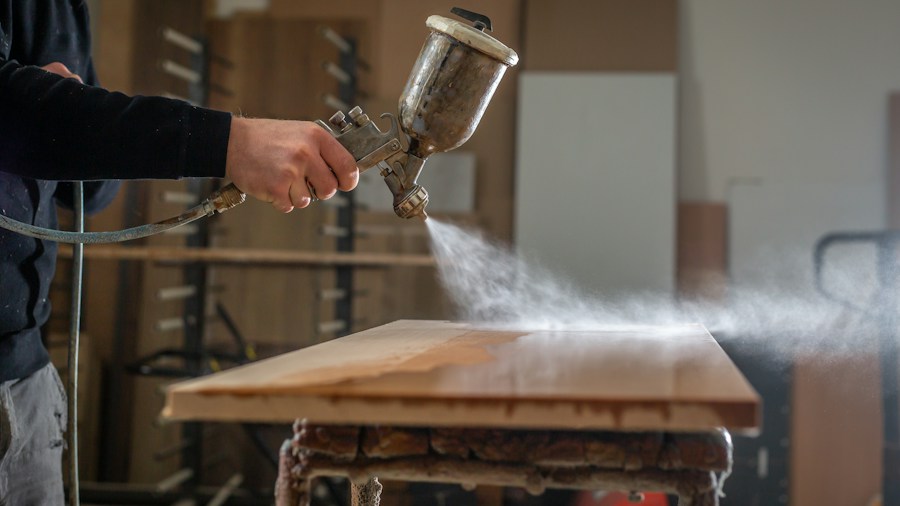
If you’ve been eyeing farmhouse and boho interior styles, you know that distressed, weathered wood is a key design element. The challenge is that naturally aged paint takes years to chip and wear away. A clever DIY shortcut using a pressure washer can achieve that coveted vintage aesthetic in an afternoon, giving your furniture an instantly aged appearance without the wait.
What This Technique Does for Your Home
The pressure washer method intentionally removes paint from select areas of wooden pieces while leaving other sections intact and painted. This selective stripping creates an authentic-looking distressed finish that mimics decades of natural wear. The result is furniture that appears to have been passed down through generations, even if you just picked it up from a thrift store or finished painting it last week.
This technique works on virtually any painted wood surface. Apply it to larger furniture items like dressers, tables, and credenzas. You can also use it on smaller decorative pieces such as wooden frames or stools. Even wooden fireplace mantels become stunning focal points with this treatment, especially during the holiday season when you’re hanging stockings. For furniture that needs more comprehensive restoration, this distressing technique pairs well with other DIY furniture upgrades to bring new life to old pieces.
How to Execute the Distressing Process
Begin by selecting the right pressure setting. For gentle paint removal similar to light sanding, start with lower pressure and use a 15 to 25 degree nozzle tip. For a more heavily weathered appearance, increase the pressure accordingly. The key is understanding that different wood types and paint finishes respond differently to pressure washing, so there’s no single ideal PSI number. Start conservatively and gradually increase intensity until you achieve your desired look.
Perform this work outdoors, as water will splash everywhere. Before starting, wear appropriate safety gear including goggles and closed-toe shoes to protect yourself from high-pressure water spray and flying debris. Hold the pressure washer at a 40 to 45 degree angle, positioning the nozzle 8 to 12 inches from the surface. Work with the grain direction, lingering longer on areas where you want more visible distressing. For sections where you prefer paint to remain untouched, simply move the nozzle further away or pause the washer.
Important Considerations and Risks
Pressure washing wood carries certain risks worth understanding. The process can create streaking, cause the wood grain to become raised or splintered, and potentially damage the wood surface. For these reasons, reserve this technique for non-sentimental pieces or items with low monetary value. Thrift store finds are ideal candidates, as are DIY projects you’re experimenting with. If you’re working with expensive or family heirloom furniture, consider whether the potential for surface damage is acceptable.
The water and debris generated during this process means protective equipment isn’t optional. The pressure from these washers is forceful enough to cause skin damage, so safety goggles and appropriate footwear are essential. Additionally, secure your work area to prevent water spray from damaging nearby items or your home’s exterior.
Pairing With Other Furniture Finishing Techniques
If you’re building a collection of furniture pieces with lasting appeal, distressing adds character while maintaining durability. After pressure washing, your wood may need sealing or finishing to protect the newly exposed grain. Many homeowners follow up with a clear protective coat or stain to enhance the rustic appearance and safeguard the wood.
This DIY approach transforms ordinary painted furniture into statement pieces with authentic vintage character. Whether you’re furnishing a farmhouse cottage or incorporating boho elements into a modern home, the pressure washer distressing method offers an efficient alternative to labor-intensive sanding or waiting for natural weathering. The technique democratizes the creation of vintage styled interiors, making it accessible for any homeowner willing to invest a few hours and minimal materials. For families with pets, distressed finishes can also cleverly disguise normal wear that comes with active households.
Start with an inexpensive piece to test your technique, and you’ll quickly develop a feel for the right pressure and angle to achieve your preferred level of distressing. Once you master this method, you’ll have a reliable way to give any painted wooden furniture an instantly aged, characterful appearance.









Write Your Review
No reviews yet. Be the first to share your experience!