

The Shift Away from Television-Centric Living Rooms
Living room design is undergoing a significant change. More homeowners are intentionally repositioning their televisions away from the center of attention, recognizing that constant screen focus can interfere with family interaction and social connection. This emerging trend reflects a broader desire to reclaim living spaces as places for genuine human connection rather than entertainment consumption.
The solution gaining traction among design-conscious shoppers involves a simple but effective furniture rearrangement: placing a sofa directly below the television. This counterintuitive layout works because it naturally shifts the visual hierarchy of the room while maintaining practical seating functionality.
How Placing a Sofa Below Your TV Changes Room Dynamics
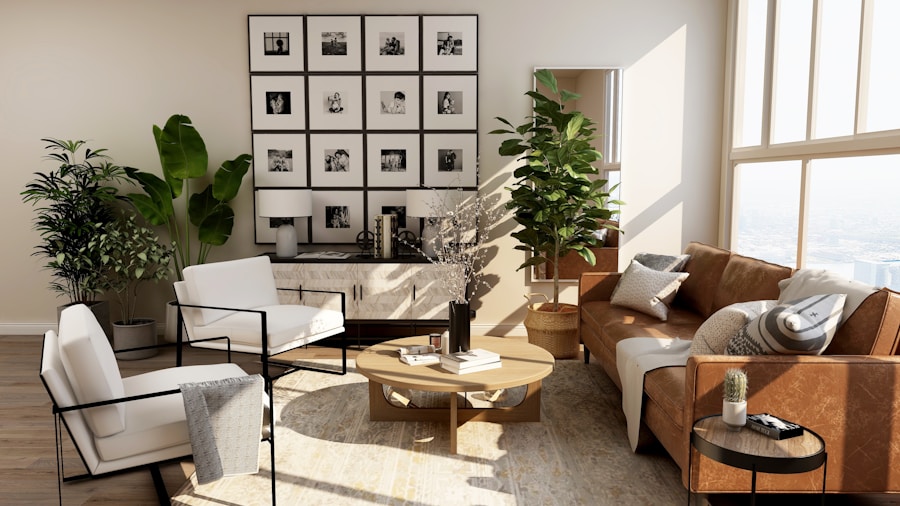
When you position a sofa underneath your television, you create what designers call a “visual barrier” that draws attention downward and forward rather than upward toward the screen. The furniture placement itself becomes the focal point, not the display mounted above it. Guests naturally orient toward conversation seating rather than the TV.
This arrangement works particularly well if you have multiple seating pieces in your living room. Recliner sofas offer flexible comfort options that complement this layout exceptionally well. By facing one sofa toward the television and positioning a second seating piece across from it, you create an intimate conversation zone while the TV recedes into the background. The result is a living room where people naturally talk to each other first and watch screens second.
Hosting becomes more interactive with this setup. Instead of everyone sitting in individual positions staring at the same content, guests can face each other, make eye contact, and engage in actual dialogue. The television remains available when you want it, but it no longer dominates the room’s energy.
You Don’t Need to Buy New Furniture
Many shoppers assume they need to purchase additional furniture to achieve this look. The truth is more encouraging: you can work with what you already own. If you don’t have two sofas, you can place other existing items beneath the television to break up the visual weight and reduce its prominence.
Consider using pieces you already have on hand. A wooden bench, accent chairs, or even a tall plant stand underneath the television can serve the same purpose as a full sofa. These items redirect the eye away from the screen and create natural gathering spots. Royal sofa trends in neutral upholstery have also shown that simpler, less visually aggressive furniture choices support this design strategy better than bold statement pieces.
The key principle is filling the space directly below your television with something that encourages social interaction or contemplation rather than screen watching. A pair of chairs arranged at an angle to each other, a console table with decorative items, or even shelving with books and plants all accomplish this goal without requiring you to visit a furniture store.
What This Trend Means for Your Home and Well-being
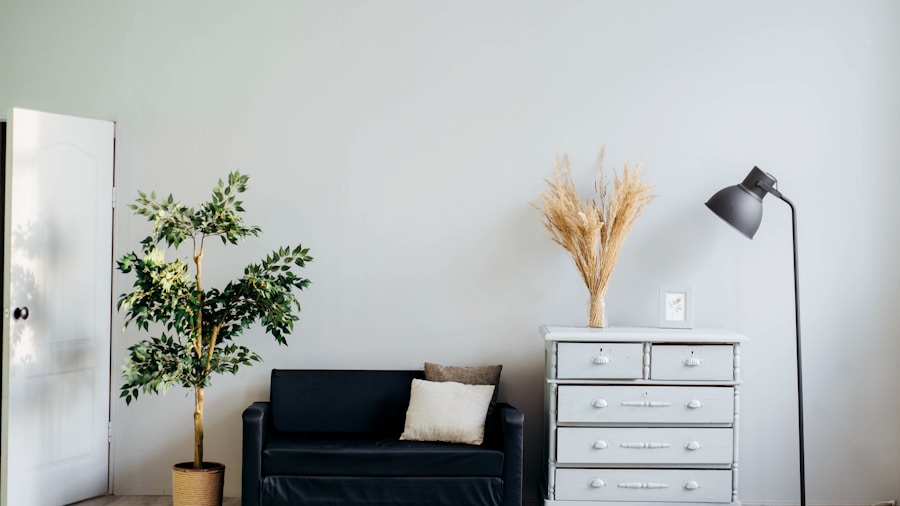
This shift in furniture arrangement reflects a growing awareness about screen time and its effects on household dynamics. Modern families are constantly exposed to various devices throughout their day. When people finally arrive home, they often want to experience something different: genuine presence with family members, actual reading time, or simply peaceful moments without notifications.
By repositioning your sofa below the television, you’re creating environmental cues that naturally promote these behaviors. The physical arrangement of furniture matters more than people typically recognize. Even unconventional sofa choices can work in this arrangement if positioned thoughtfully.
The television doesn’t disappear entirely with this approach. You still have access to it for movie nights, live events, or other intentional viewing. However, it becomes something you choose to watch rather than something your eyes automatically drift toward when you sit down.
Implementing This Layout in Your Own Home
Start by evaluating your current living room and existing furniture. Measure the space below your television and identify what pieces you could position there. Experiment with different arrangements before committing to one. The goal is creating a setup that feels natural and encourages the kind of living you actually want to do in that room.
This trend demonstrates that meaningful home design doesn’t always require purchasing new items. Sometimes the most impactful changes come from simply reimagining how you use the furniture you already own. If you want to encourage more conversation and presence in your home, consider trying this furniture arrangement strategy yourself.












Write Your Review
No reviews yet. Be the first to share your experience!